
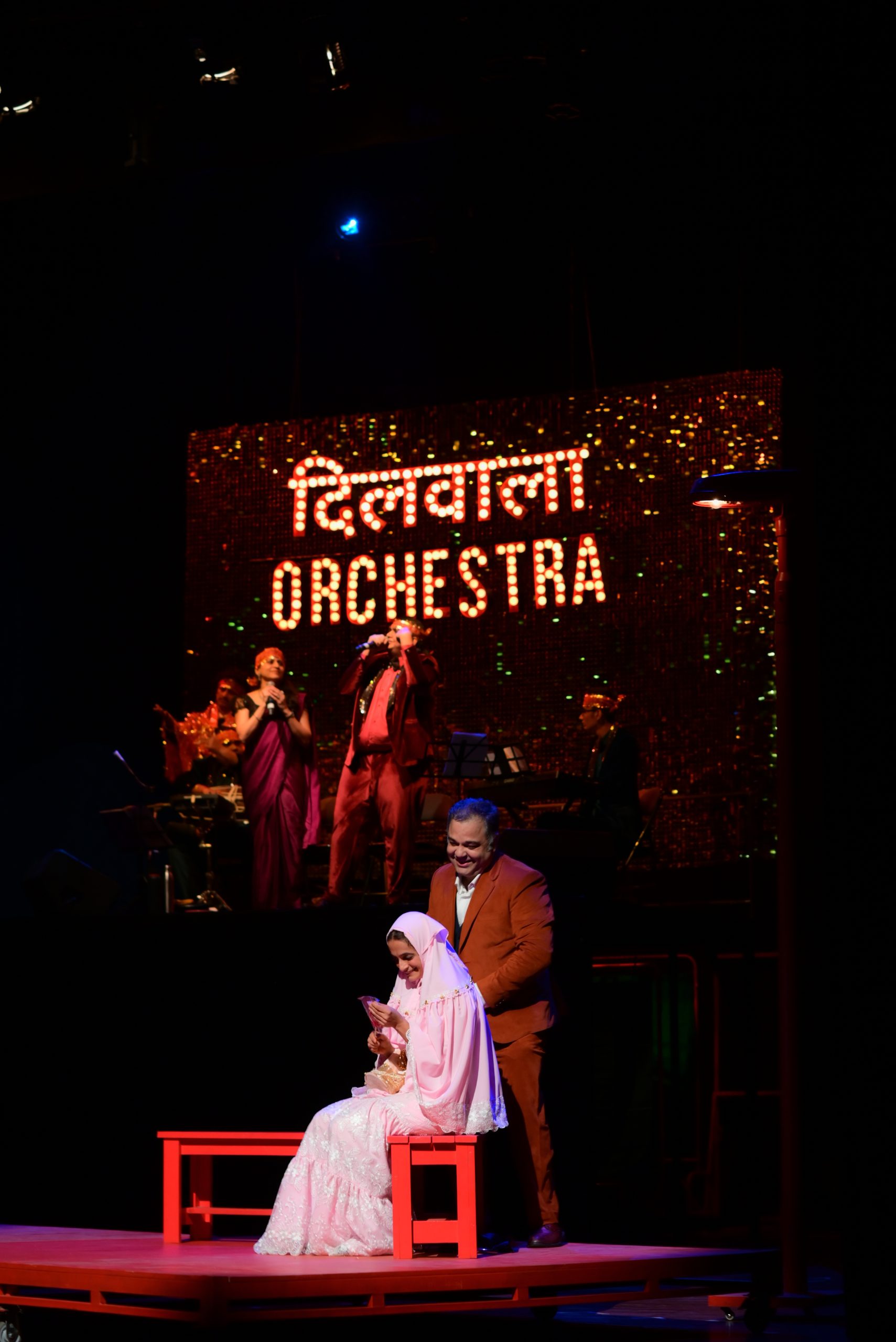
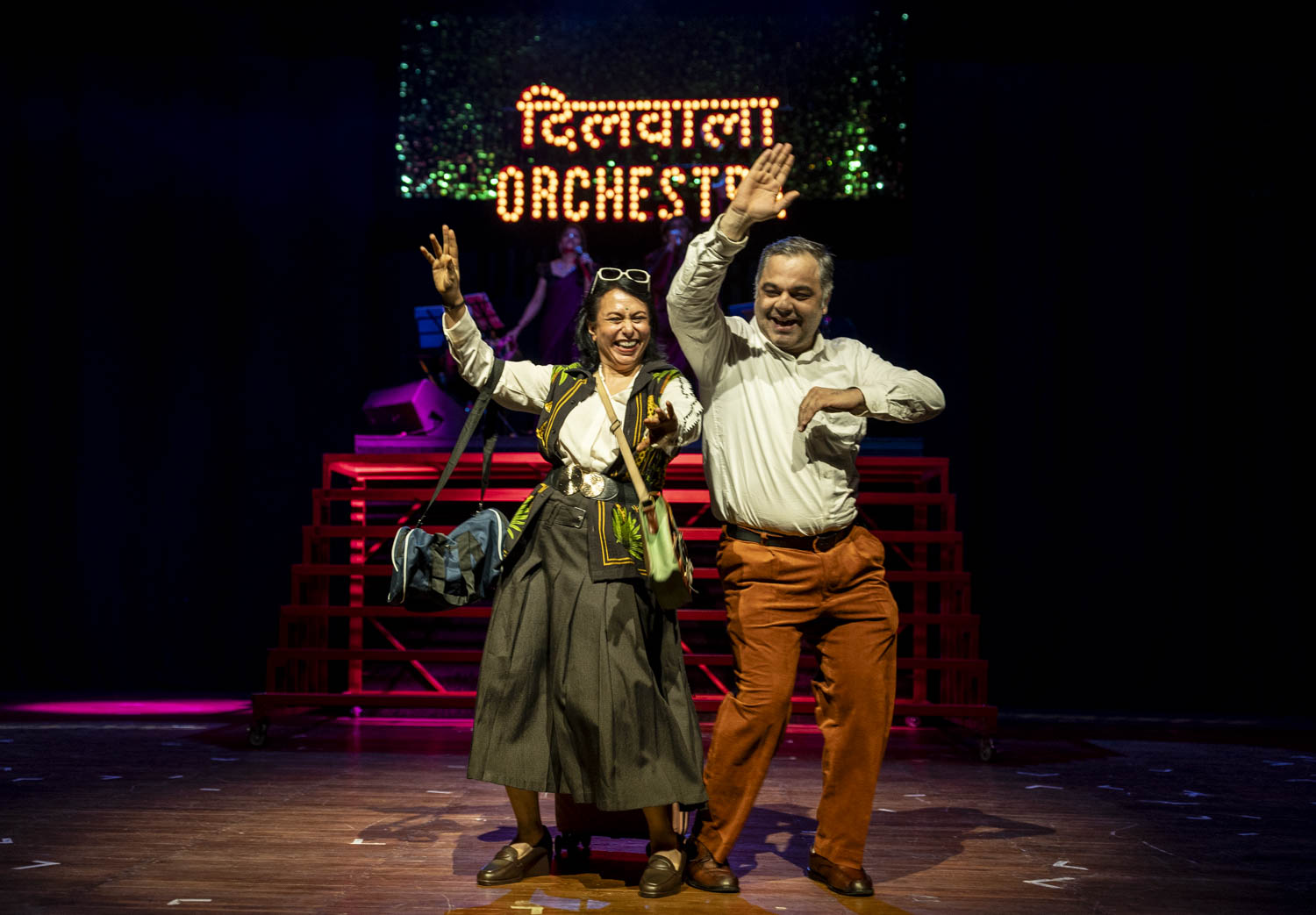
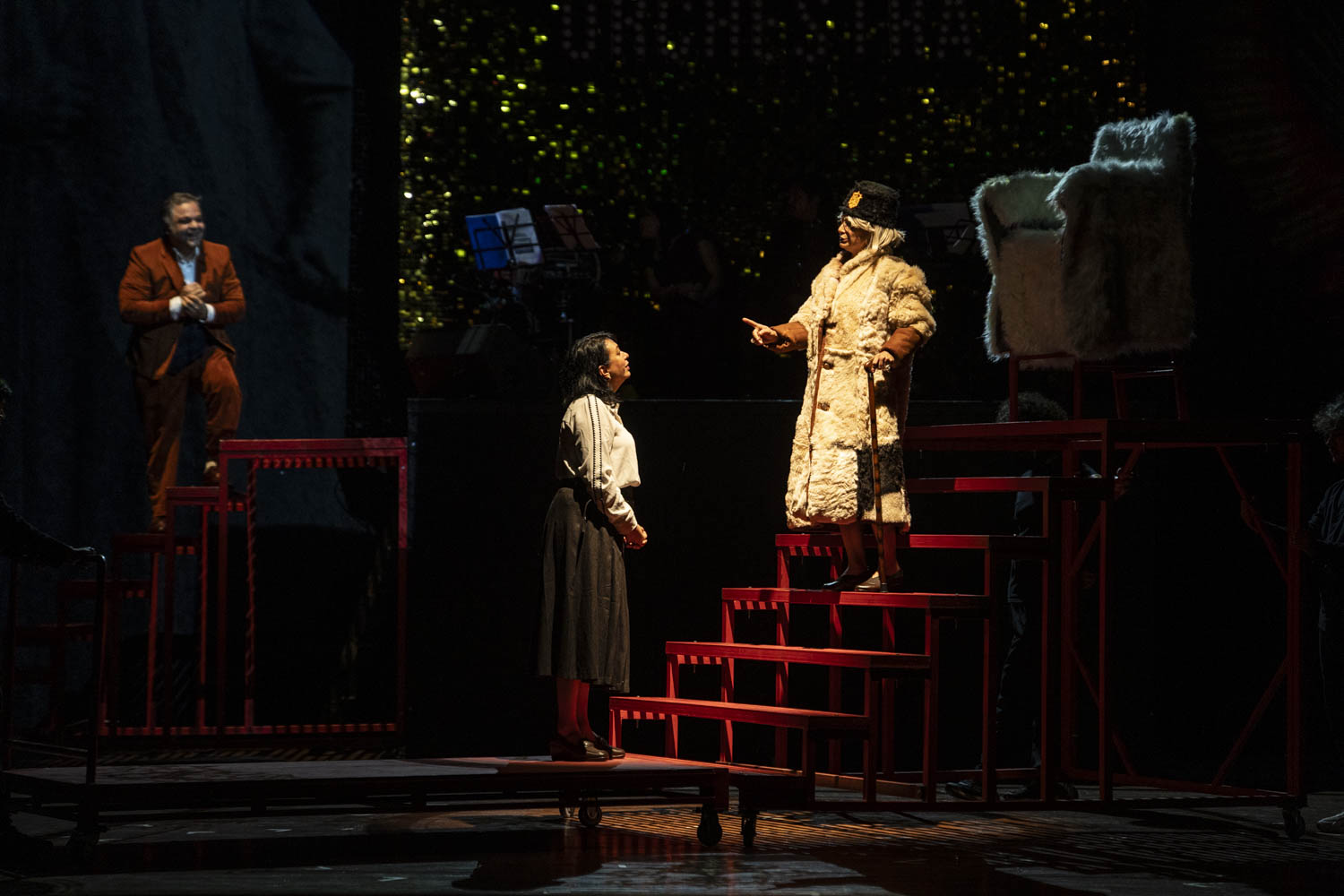
Synopsis
In a crowded Mumbai café, a phone keeps ringing. It rings through conversations, through clinking cups, through a city that does not wait. It rings into the rush. Into the noise. Into the ordinary. No one answers.
Until Asha Parekh does.
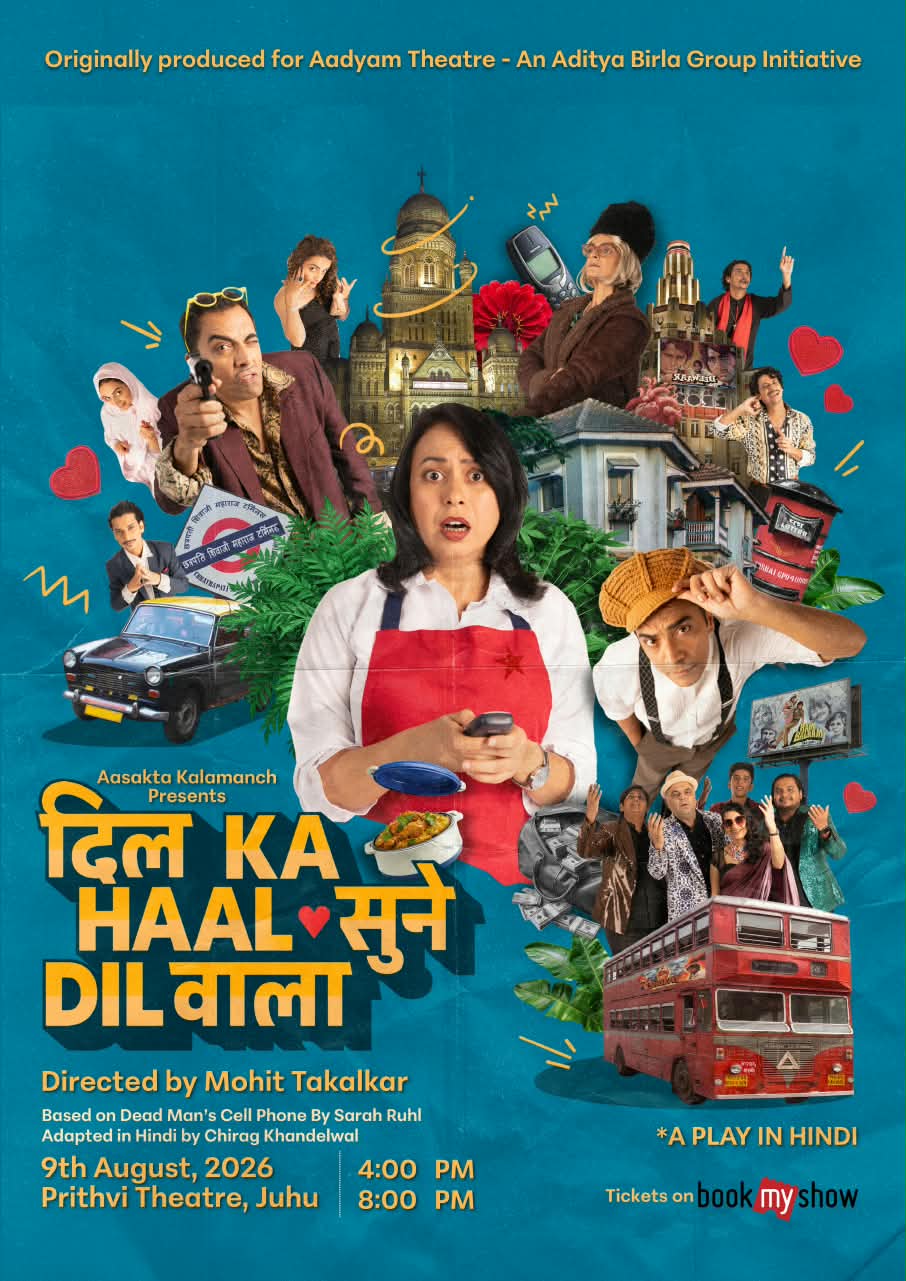
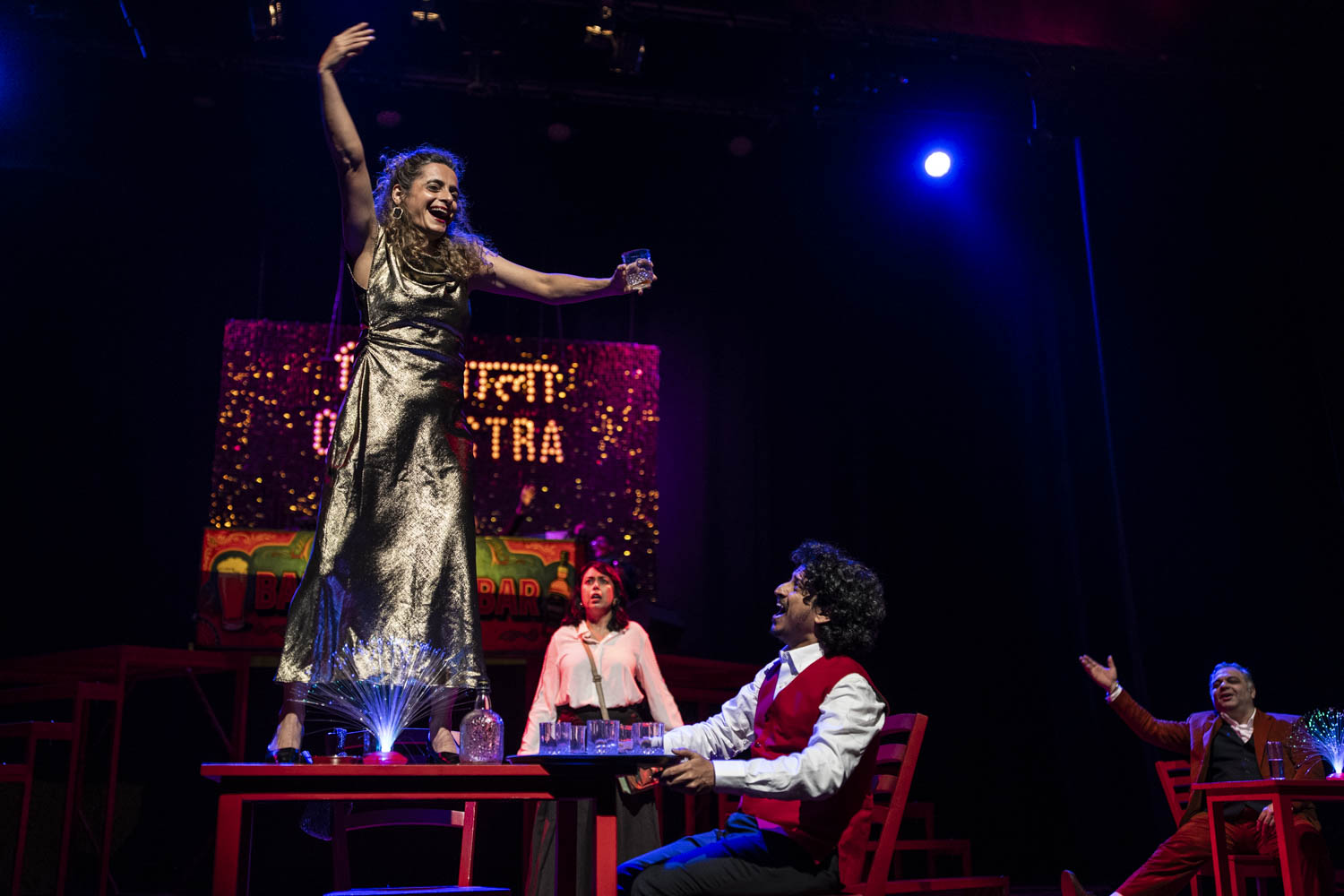
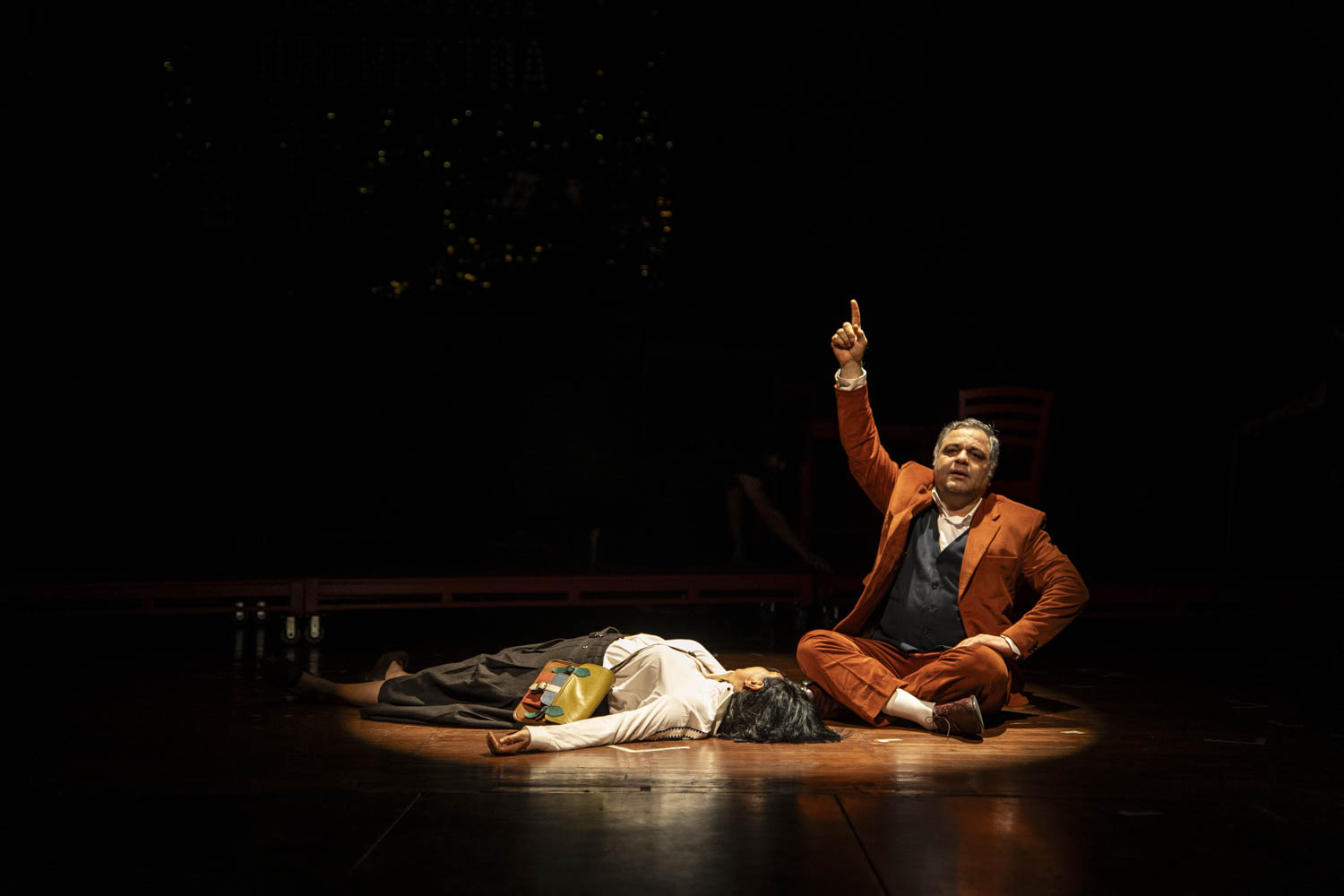
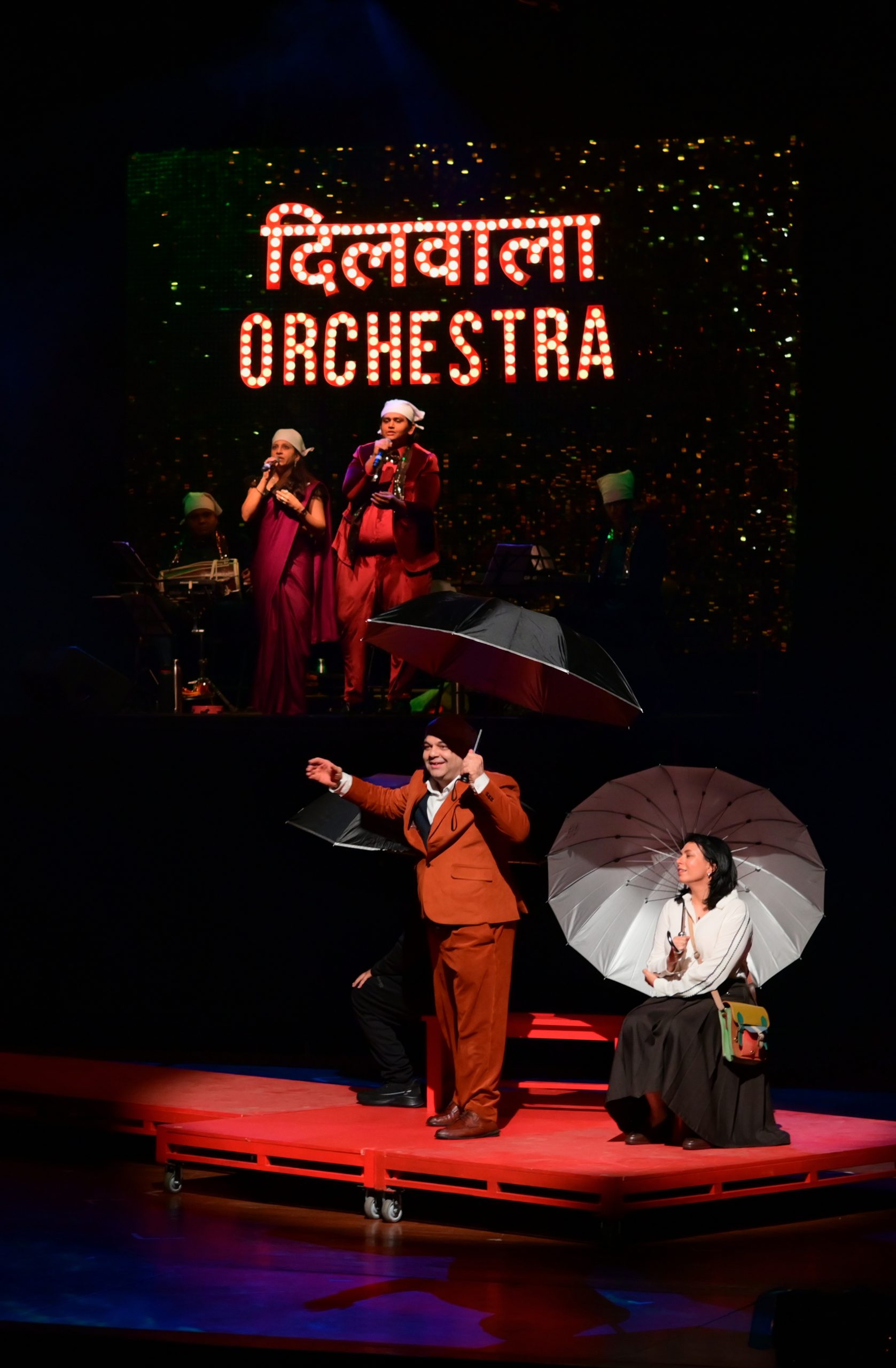
That small act opens the door to the unfinished life of Max, a man she has never met but whose absence refuses to stay quiet. As Asha follows the echoes of that life, she finds herself among a strange gathering: his restless brother Leo, his formidable mother KGB, his grieving wife Anna, his fierce lover Razia Sultana and the irrepressible DD. Threading through them all is Sab Kuch, slipping between faces and moods, carrying the restless pulse of the city. With a mischievous announcer and the Dilwala Orchestra always close at hand, the story tumbles forward through songs, interruptions, confessions and unlikely encounters.
What begins with a missed call slowly becomes something else.
Strangers begin to matter. Grief finds unexpected company. And a few small lies open doors to buried tenderness.
Set in a city overflowing with voices, the play is a comic, musical and slightly mad journey through loneliness, longing and the fragile ways we try to reach one another. Sometimes all it takes is one answered call to change the song.
Director’s Note
We live in a city that never goes quiet. Phones ring. Messages blink. Notifications demand attention. We scroll through fragments of other lives while our own pass us by. We speak constantly. We rarely listen.
Dil Ka Haal Sune Dilwala grows out of that restlessness.
Mumbai is a city of ambition and ache. It promises everything. It takes its time to give anything. It can leave you alone in a crowd and yet surprise you with unexpected warmth. Lives overlap here, but do not always connect.
Sarah Ruhl’s play offered a world spacious enough to enter and reshape. Its silences invited conversation. Its tenderness allowed expansion. This reimagining keeps its spine but lets the story breathe in our languages, our accents, our emotional rhythms. In our version, characters carry histories. They carry longing. They look for redemption. They look for meaning. The announcer and the on-stage orchestra are part of this world. In our context, music is never just background. It remembers for us. It feels for us. It gathers what is private and makes it collective.
In a city overflowing with sound, listening is not passive. It is a choice. A risk. A gesture of care. Sometimes, the connection begins quietly. With a call answered. With a story heard. With a song that starts softly and finds its way.
About the Writer
Sarah Ruhl is an award-winning American playwright, author, essayist, and professor. Her plays include The Oldest Boy, Dear Elizabeth, Stage Kiss, In the Next Room, or the vibrator play (Pulitzer Prize finalist, 2010); The Clean House (Pulitzer Prize finalist, 2005; Susan Smith Blackburn Prize, 2004); Passion Play (Pen American Award, Fourth Freedom Forum Playwriting Award from the Kennedy Center); Dead Man’s Cell Phone (Helen Hayes Award for Best New Play); Melancholy Play; Demeter in the City (nine NAACP Image Award nominations); Scenes From Court Life; How to Transcend a Happy Marriage, For Peter Pan on Her 70th Birthday; Eurydice; Orlando; and Late: a cowboy song. Her plays have been produced on Broadway and across the country as well as internationally, and translated into fourteen languages. Originally from Chicago, Ms. Ruhl received her M.F.A. from Brown University, where she studied with Paula Vogel. She is the recipient of a Helen Merrill Emerging Playwrights Award, a Whiting Writers’ Award, a PEN Center Award for mid-career playwrights, a Steinberg Distinguished Playwright Award, and a Lilly award. She is a member of 13P and New Dramatists and won the MacArthur Fellowship in 2006. She teaches at Yale School of Drama and lives in Brooklyn with her family.
About the Adapter
Chirag Khandelwal is a playwright and theatre maker trained at the University of Hyderabad, where he completed his master’s degree in Theatre Arts (Design and Direction). He has worked with directors including Sabir Khan, Karen Libman, Anuradha Kapur, Rajiv Velicheti and Mohit Takalkar.
He has written five full-length plays: Ek Khoon Sau Baatein, Ek Ansuni Baat, Ek Adhpakaa Sa Naatak (Winner, Sanhita Manch 2023 – Hindi Category), Wo Chalta Hai for the play Hunkaro (META Award for Best Script, 2023), and Suno Naa Yaar. His plays have been presented at several national theatre festivals across India.
He has also translated plays into Hindustani, including Seven Against Thebes by Aeschylus, Mira by Gurcharan Das and To the Stars by Jonathan Chatel.


